
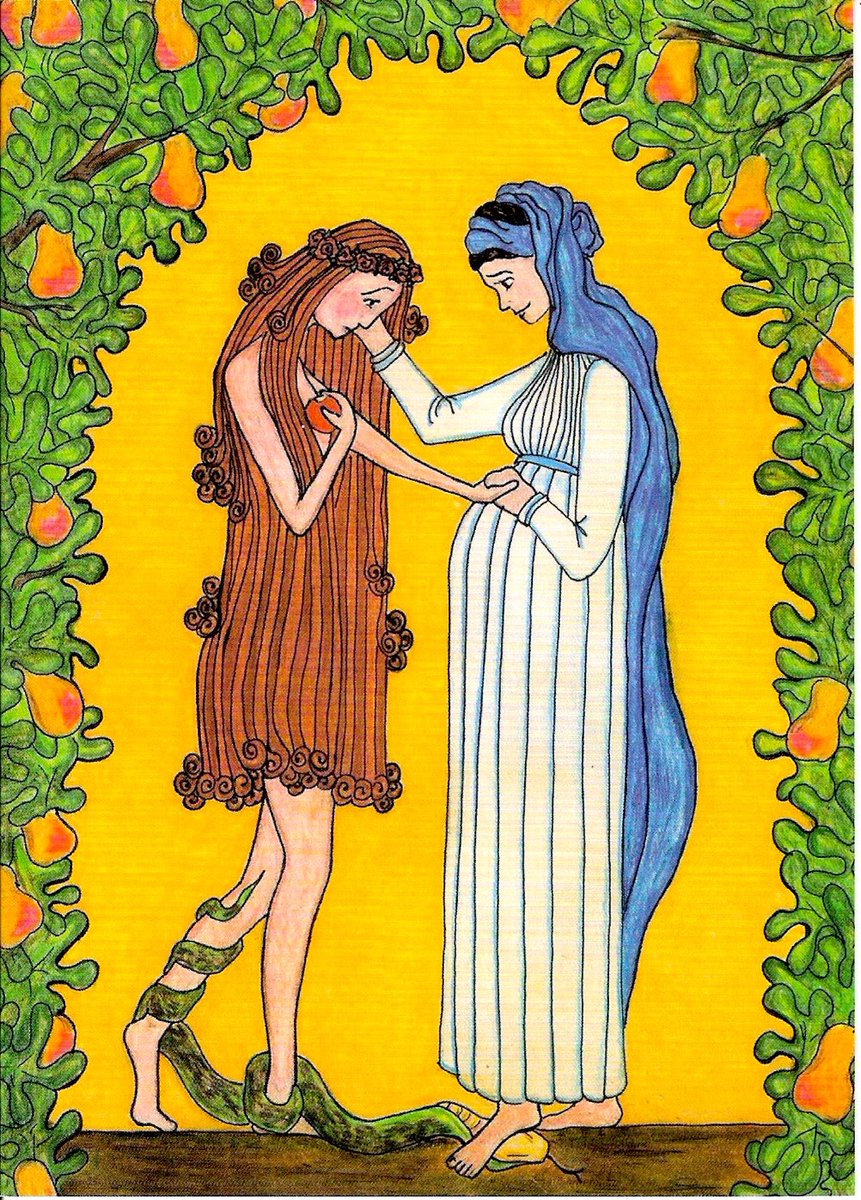
For all of my life, I figured that if I were to accept a Christian theology, the story of “The Fall” would always be a frustrating, contentious mythology, instead of what it truly is: the beginning of the greatest love story ever told.
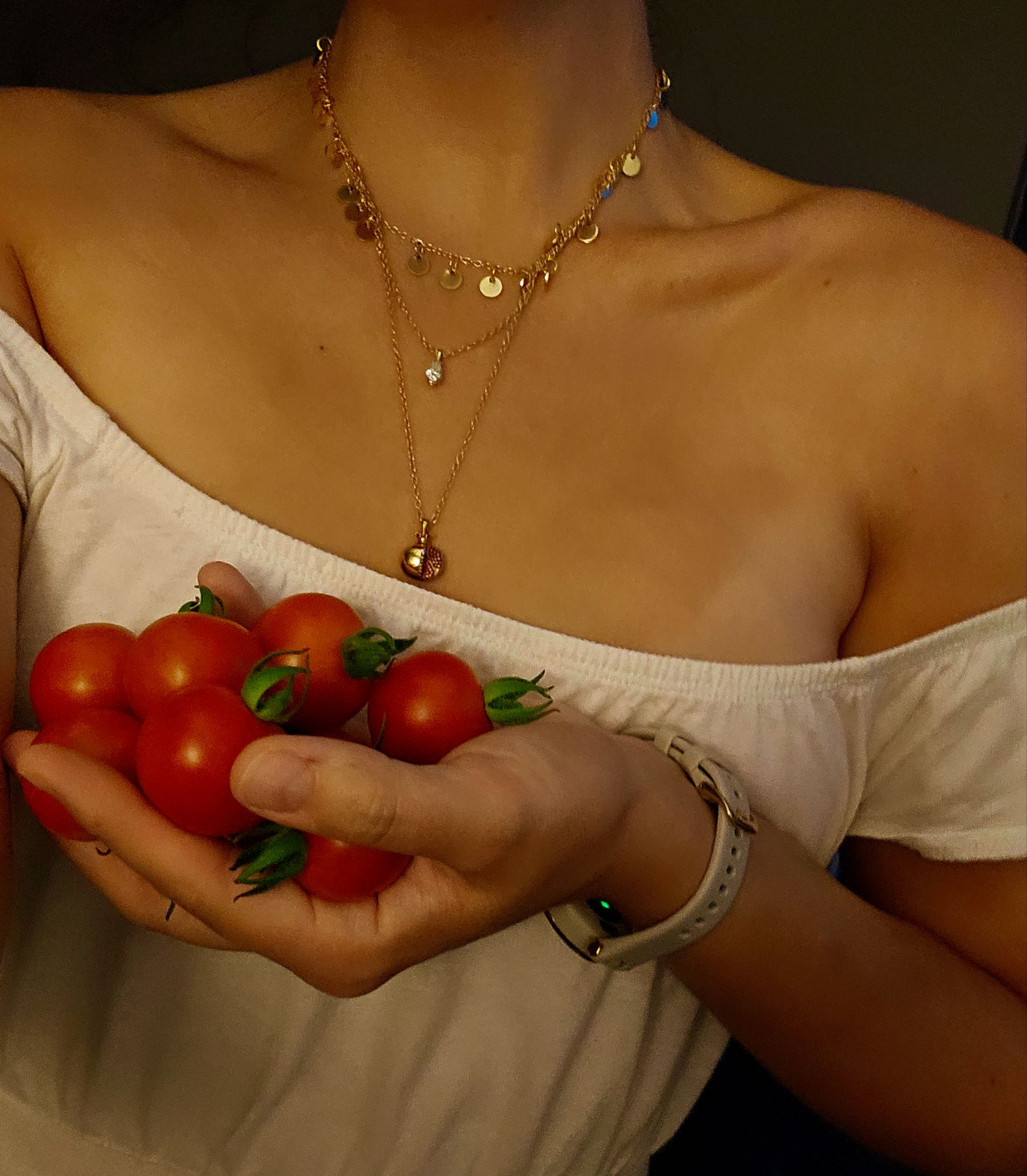
The tiny seedlings emerging from the new garden quickly became a metaphor for my early pregnancy. As they grew, so did I. We were surrounded by the lush growth and rich colors that nourished our bodies and souls.

A common canonical rule in horror, or if you’re incredibly spiritual & superstitious, is that a monster must be invited in to cause any real damage to you. In classic literature and occult media, vampires must be invited to cross the threshold of a home and demons must be given permission to enter an object or take possession of body. In much the same way, Victor invited his monster into existence by creating him in the first place. And this is first and foremost how horror begins to befall our rather dim-witted main characters.

Given how I tend to experience places, with my senses first, I became particularly enamored with the work of Antoni Gaudí while I was in Barcelona. Some of his whimsical creations, expert use of color and avoidance of straight lines in his most experimental designs have stuck with me this long, inspired some of my own art and helped me to rethink everything I’d previously considered to be “beautiful”.

Although I heavily empathize with Lilly’s pain and frustration at mortality, how short and fatuous our lives must seem in the grand scheme of, well, everything especially in this perceived unremarkable time in our earth’s grand history – I cannot help but feel envious of the cultures who willingly embrace mortality while we fight it. We fear the end. The catharsis. We fear the limitations death imposes upon us.